

You can subscribe to this newsletter by clicking here.
Finally, someone at Penske Media addressed the box-office catastrophe of 2025. Naturally, it’s Anthony D’Alessandro. To his credit, the original title of the piece was “Box Office Bombs,” though it was changed when the piece was posted.

How do I know that? Because we can see it in the original title, https://deadline.com/2025/10/box-office-bombs-springsteen-smashing-machine-1236598171/
He doesn’t count One Battle After Another as a bomb, however.
He writes:
However, the lackluster audience scores on these movies say it all. None of these films lassoed any word of mouth, so don’t write the obituary on auteurist cinema just yet. Under the hood, each of these titles had its own handicaps, whether it was the marketing campaign, release date, feathered fish cross-genres (Smashing Machine, an arthouse movie about addiction geared at the MMA crowd), conceit, unfilled endings or simply a grand ol’ division among critics and crowds.
This is a bad batch of titles at the box office, not a new norm.
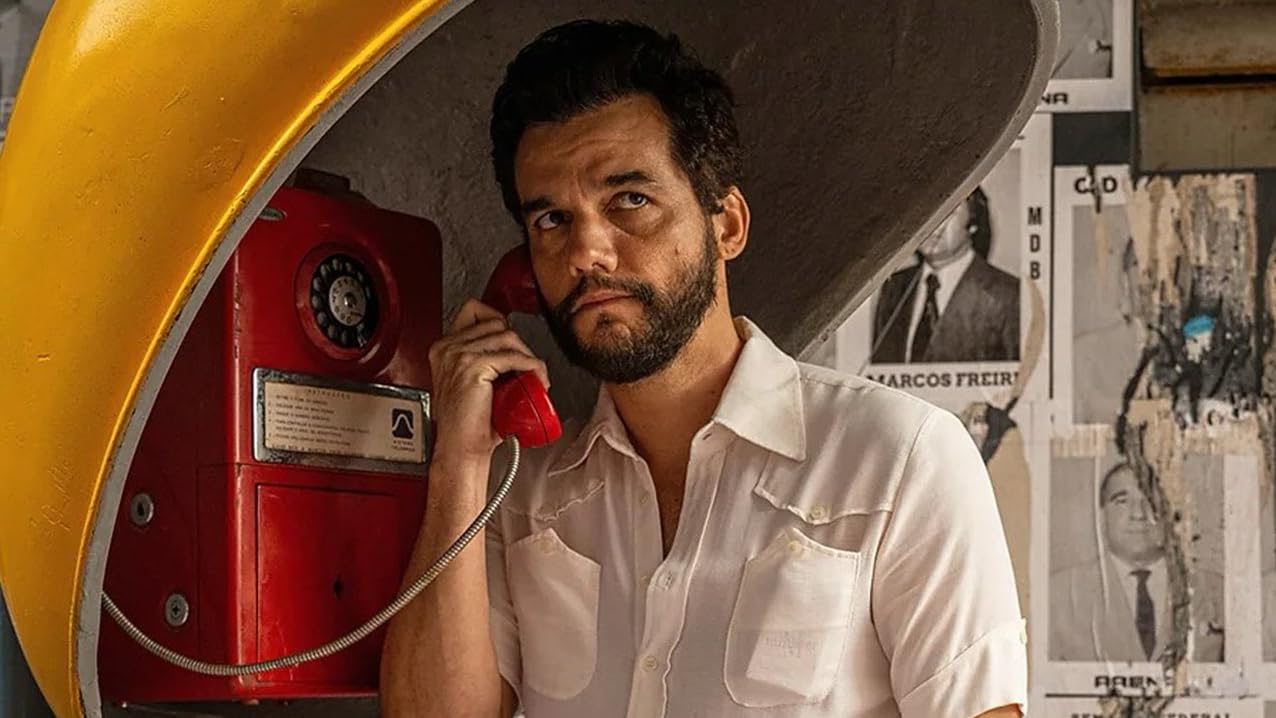
What’s the proof of that? Why, Warner Bros’ One Battle After Another, which is the one-eyed giant among the blind with a $23 million domestic opening and equally great critical and audience exits with 95% certified fresh on Rotten Tomatoes, an A CinemaScore and a great 74% definite recommend on PostTrak. At $180.1M worldwide, no one can deny it’s Paul Thomas Anderson’s highest-grossing movie ever. “But that costs $140M! How can you say that?” exclaim myriad pearl-clutchers in town. Sorry, but on a pure gross level, this movie is doing what it’s supposed to do and it’s working where these sophisticated adult titles typically work: on the coasts. Rival studio executives know it but prefer not to admit it: One Battle After Another is continued proof that original auteur-driven films can still find a semblance of an audience.
You hear a lot of excuses for why movies are bombing. No one has adequately expressed what has really happened. The biggest problem is that Hollywood doesn’t make movies for everyone, not anymore.
Their movies — all of them without exception — exist inside the dogmatic new code — call it what you want. The “woke code” or the “social justice” code. Whatever it is, all must adhere to it. Either they do it organically, like Sinners, or they manufacture it, like One Battle After Another. Either way, they all send the same message to viewers: they are in the position to school them, to fix them, to preach to them about how wrong or bad they are. Start there.
Then you can get through to the other part of the story, which is significant. Streaming, cost of ticket sales, competition on TikTok and YouTube, and of course, the game-changer, AI that is breathing down their necks. But great storytelling — real storytelling — will bring people out to movie theaters. You just have to make movies people must go to see, not want to see, HAVE to see. Not what Film Twitter or sophisticates on the coast want to see, but everyone wants to see.
If One Battle After Another had only cost $50 million, which is about what it looks like on screen, rather than $130-$150 million, this could be spun as a success. Anthony and everyone else default to international, always, when a movie fails here.
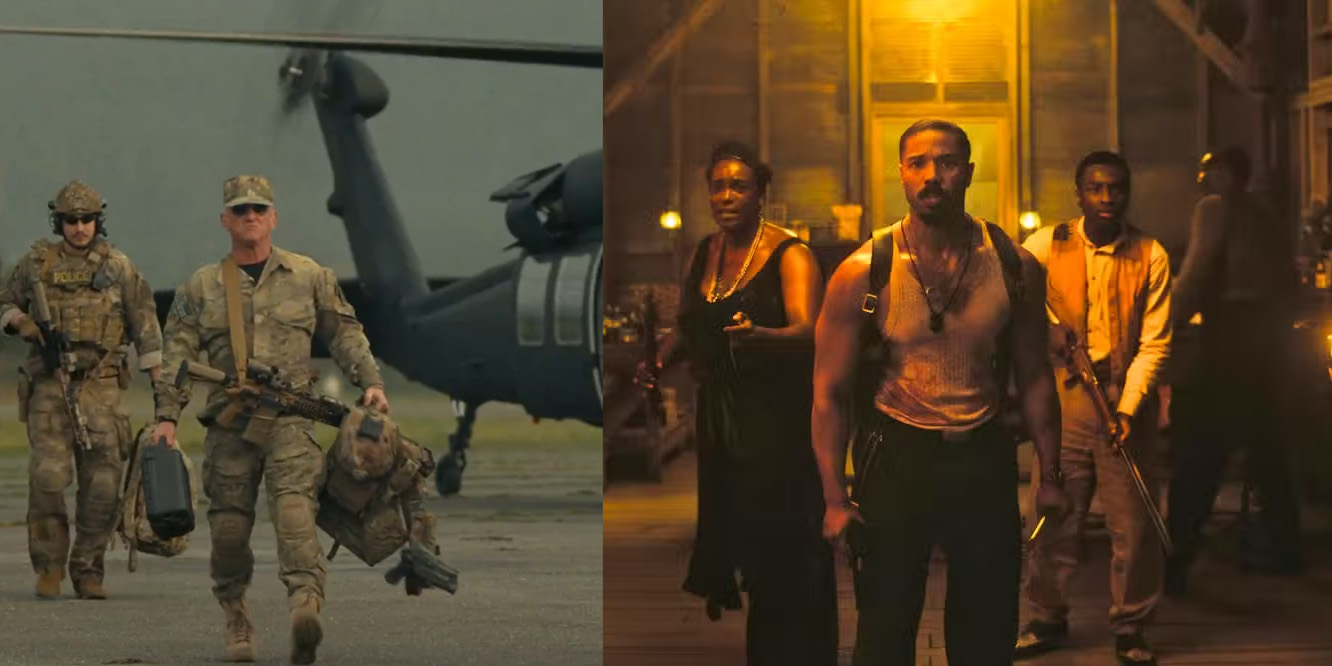
But take Sinners vs. One Battle After Another, which has stalled at $66 million here in the United States, where Sinners made over $200 million. One film bombed in America. The other was a major hit. And yet, all are poised to award the one that bombed and ignore the hit. That no one will call this out as a sign of a dying film industry is astonishing to me.
From Box Office Mojo:


If the competition is International, America is losing there, too. Unless Jim Cameron’s Avatar: Fire and Ash can top $2 billion worldwide, China wins the international box office this year, not this country.

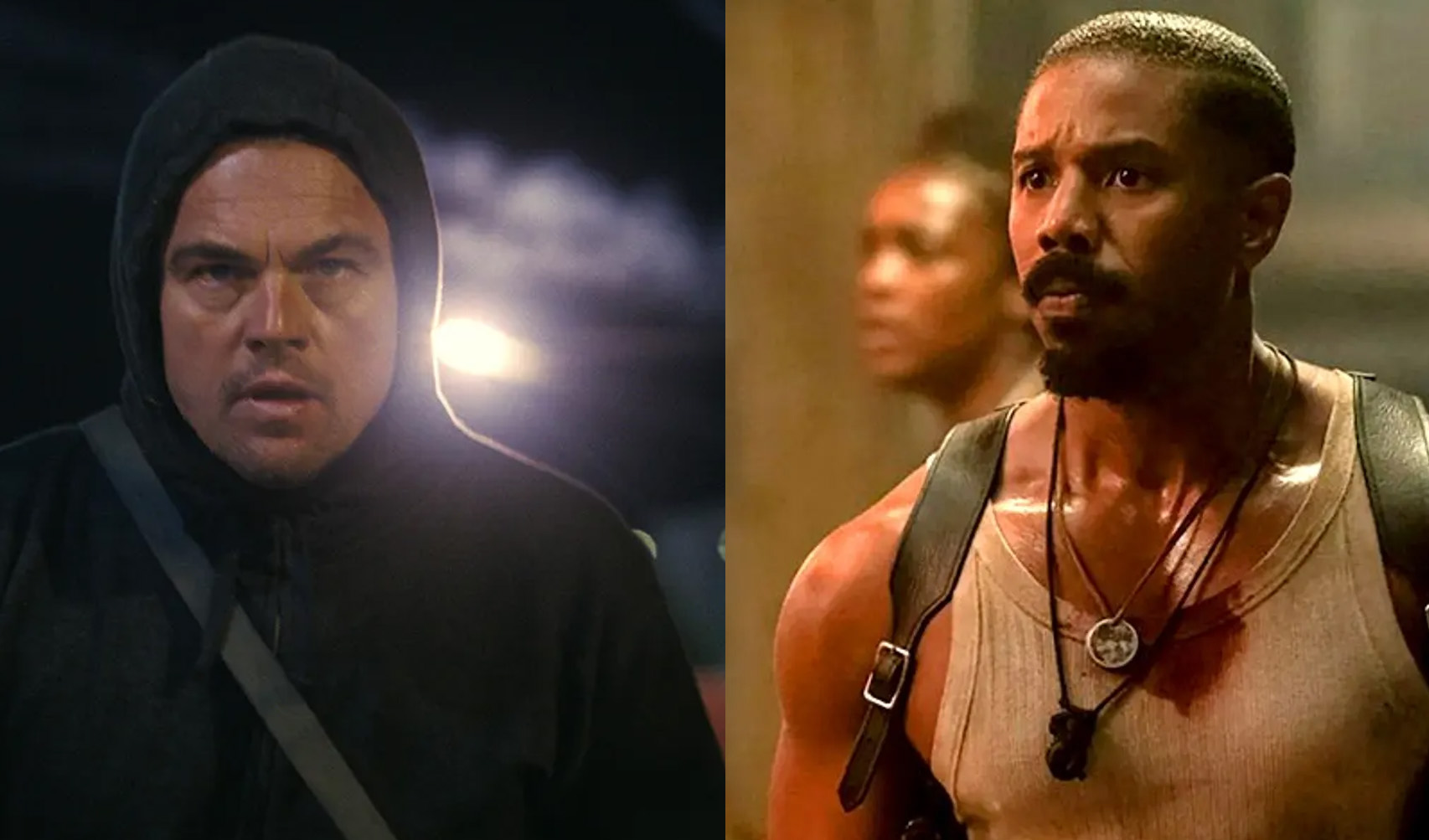
It’s true that One Battle’s higher overseas profits are a testament to Leonardo DiCaprio as a worldwide star. So that’s why he got $20 million. Without him, the film would have made half as much. But without him, it also wouldn’t have cost as much. However, One Battle isn’t exactly thriving overseas; it’s just that, overall, it’s helped the studio give the impression of breaking even, which helps justify the award wins to come.
Wicked: For Good and Avatar: Fire and Ash are still to come. They also might make money, along with The Housemaid. Maybe Marty Supreme will do well. The idea is always to keep costs low and profits high, or at least it used to be.
This is an industry that wants to give One Battle all of the Oscars. They just need a narrative to make that okay, considering they aren’t in the habit, usually, of doing so, back in the days when there was a free-market reality to Hollywood. But this is the movie they want to represent them in all ways. They care less about the success of Warner Bros.’ other two films, Sinners and Weapons. This is the “important” one —it is their anthem—the “who they are” movie.
It’s true that once One Battle starts winning awards, it might start to crawl upwards. But it won’t get anywhere near where Sinners is. And people will say that’s pretty good for an “art movie” or a “prestige pic.” That’s the story they’ll tell, and they’ll never absorb the truth because they don’t have to. Just as John Oliver, Jimmy Kimmel, and Stephen Colbert keep winning awards because they affirm the Left’s worldview, so too will One Battle win awards for exactly the same reason.
What counts as daring inside the bubble is the lightest touch that barely scratches the surface, which is what you must do if you expect to make money from the studios. You don’t see them advertising on sites that discuss hard truths or are otherwise controversial. A Penske ownership of so many of the trades—Hollywood Reporter, Variety, Deadline, Indiewire, Gold Derby, Rolling Stone—demands uniformity, and thus they are not free to really discuss things as they are.
People inside the bubble believe that their conversation is the only conversation and that those outside the bubble who discuss what they consider controversial are dismissible. Reality never enters the chat. Manufactured reality, soft reality, comforting reality is what you get. Think: Brave New World meets 1984.
Anthony’s piece sounds to me like he’s making excuses for an industry that can’t face the truth about what Hollywood has become and why people aren’t showing up to movies anymore. If you talk to anyone outside the tiny bubble of film festivals and Film Twitter, you will hear what they think of Hollywood and why they don’t bother going to the movies anymore.
It is a miracle that there were big-studio movies this year that brought people back to movie theaters. But that doesn’t solve Hollywood’s core problem. I fear that the problem may never be solved. They can’t solve it because they can’t even name it.