


You can subscribe to this newsletter here.
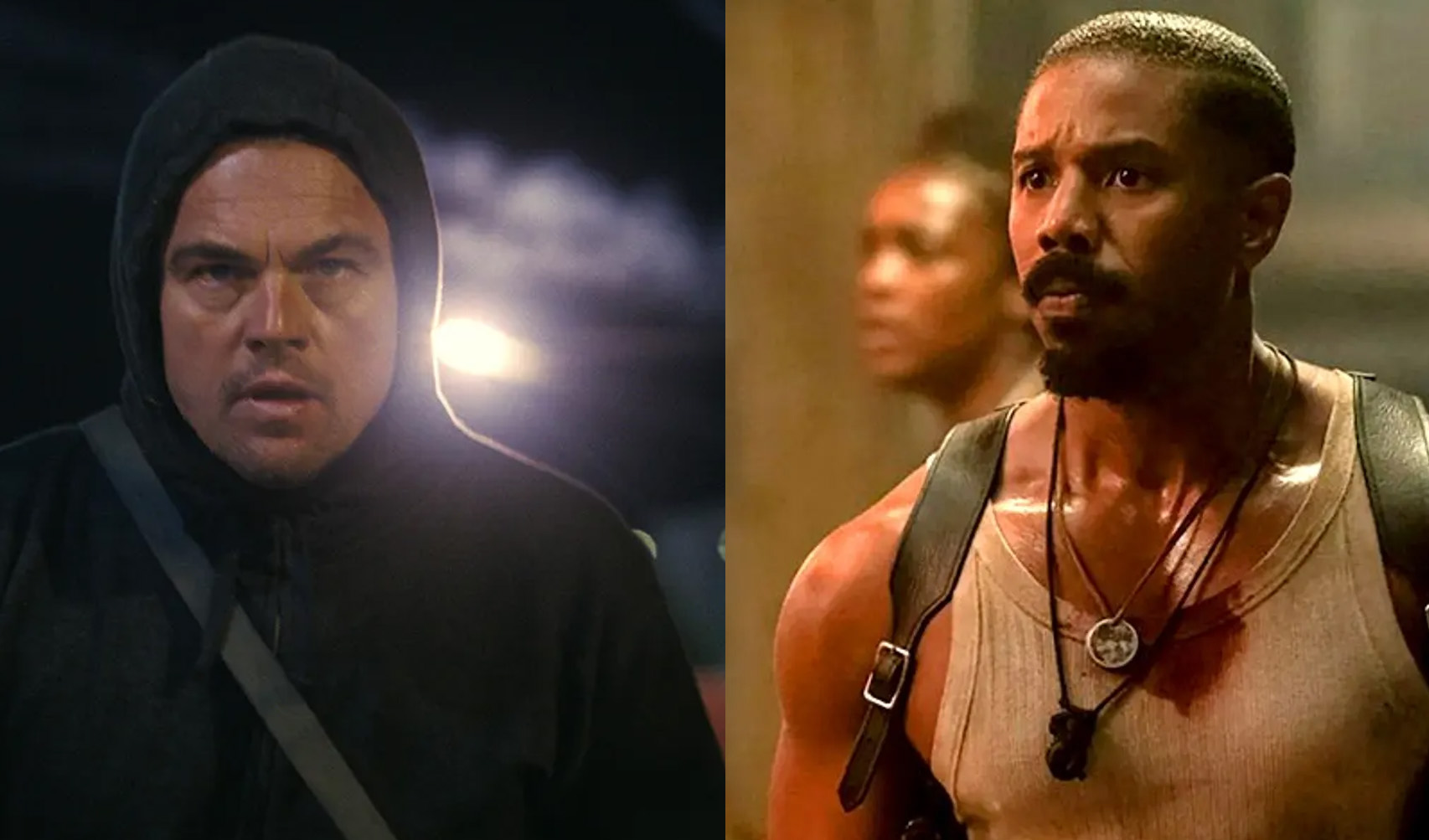
One Battle After Another is limping along, heading toward a haul of around $200 million worldwide. The critics and industry will spin this as a success, or at least not a failure. Why the movie cost $140 million or so is not relevant to the broader objectiveDoes the movie accurately reflect today’s industry? Yes, it does.
Its success reflects an industry that is cut off from the rest of the country but considers international markets just as good, if not better. All of that suits them well because they want nothing to do with the rest of America. Take it from me.
If they can treat me like that — someone who has been in the business, covering the Oscars, helping bring in nominees and winners — imagine what they think of you, the movie-going public. I wouldn’t have believed they could or would behave this way if I hadn’t seen it and witnessed it myself. There is no saving Hollywood if they have decided half of this country is human garbage not worthy of their time unless it’s to school them or lecture them on how to behave.
Hollywood, like much of the culture on the Left, reflects a society that has migrated to virtual spaces, so there is an “inside” and an “outside.” For movies to do well, they have to appeal to the outside. For movies to be praised and elevated among the bloggers and critics, they have to do well on the inside. That explains why movies feel like they exist almost on another planet now.
When the public sees ads for them or hears about them, they see the same kind of insular, isolated utopian existence we see online, not just from social media users but also from watching celebrities parade their lives for all of us to see. That has meant the public isn’t as interested in movies that seem to reflect that distant planet but don’t reflect their lives or even the reality they know. That’s what has led to a box office disaster, I think, along with all of the usual reasons, like changing technology, etc.
Finally, the trades have found their courage to at least name the problem. Or at least admit things are going badly.

America’s demographics look like this, as best as I could find:

Unfortunately, now, without the free market to pressure Hollywood into opening its doors to the people they can’t stand or see as “ists” or “phobes”, we might be living through the end of what we once knew as movies in movie theaters. For instance, the demographics in this country might be changing, but they haven’t changed that much yet. White people, treated like they aren’t the majority in movies, are still 60%.
The idea that there are racists, racists everywhere, is what caused the current scare in Hollywood and why everything looks the way it does.
Think about the 1950s amid the Red Scare and the blacklists. Just swap out “fear of Communists” for “fear of racists.” The idea that America is infested with them and that they have to be rooted out and exterminated has meant that Hollywood has to reflect what they think is ideal Americana now, just as movies in the 1950s did the same thing. Did they reflect reality? No, of course not. They reflected an idealized reality. All white people, nuclear family, parents don’t ever kiss or sleep in the same bed.
Simmering just beneath the surface was the counterculture, which would explode in the 1960s and 1970s and produce some of the best films ever made. The groups that had been shut out of the Americana idealism began to fight for their rights and before long, movies became avenues for activism. But by the late 70s, artists were getting sick of it. That’s why you see movies like Network, Kramer vs. Kramer, and Manhattan mocking activism, but especially feminism.
What does idealized Americana look like now? Take a look at the photo below. It’s just one example among many. Future observers of history might look at this photo and see “wokeness” personified with every group represented. Or they might look at it and think nothing of it. Personally, I think it will be a time capsule for 2025 Hollywood.

That’s not to say that all movies should feature only white people or Make Hollywood White Again or any such nonsense, but just that this kind of casting is storytelling too. It is telling the story of the industry and the people who make movies more than it is telling a story for us, the ticket buyers. Women directors just because they’re women is storytelling, but not for us, for Hollywood, for the bloggers and influencers to feel like they’ve changed things.
Take Richard Rushfield in The Ankler, whose latest round of columns seems to suggest — or just says outright — that there should be more women directors, and today’s column:

Here’s the truth: Women should direct if they are good enough, and that is all there is to it. Otherwise, they are making movies for themselves and not for the rest of us. The idea that you can just put a woman behind the camera and expect great work is a fast road to the collapse of the industry. If the aim is to make things more equal, then you are making movies for yourselves, not for audiences.
But Rushfield and The Ankler are well funded by Hollywood, as you can see by the ads blanketing his latest column. If you want to make money, you have to pay the piper, or better yet, be a true believer. Then you will do well in today’s Hollywood. If you are like me—and you miss art and are no longer a zealot—you will have to suffer on the outside and hope that one day art, or at least good movies, returns.
Joachim Trier’s Sentimental Value was one of the few films I’ve seen that is a meaningful story told about real people. It is authentic to time and place. There are no casting choices that pull you out of it and make you think about Hollywood’s fear of offending.
That movie, along with Ryan Coogler’s Sinners and Ari Aster’s Eddington, are the kind of movies free artists make, not artists with a gun to their head. I assume the same is true of Hamnet, Bugonia, Marty Supreme, and a few other films I haven’t yet seen.
I can usually tell within the first fifteen minutes whether the film comes from a place of cautiousness and fear. With all three of these movies, you are put in capable hands and given a story about characters you believe because they are authentically themselves.
Wicked: For Good is among the films everyone hopes will make a lot of money. Avatar: Fire and Ash is another, as is The Housemaid with Amanda Seyfried and Sydney Sweeney. These last months might revive the corpse. I hope so.
On the upside, Hollywood’s stagnation could mean an explosion of alternative media, somehow, some way. I do think better books are at least coming. Maybe they can find a publisher. Maybe they can find their way out. If those books are good enough, sooner or later, there will be filmmakers brave enough to make those movies. I just hope I live long enough to see it.