

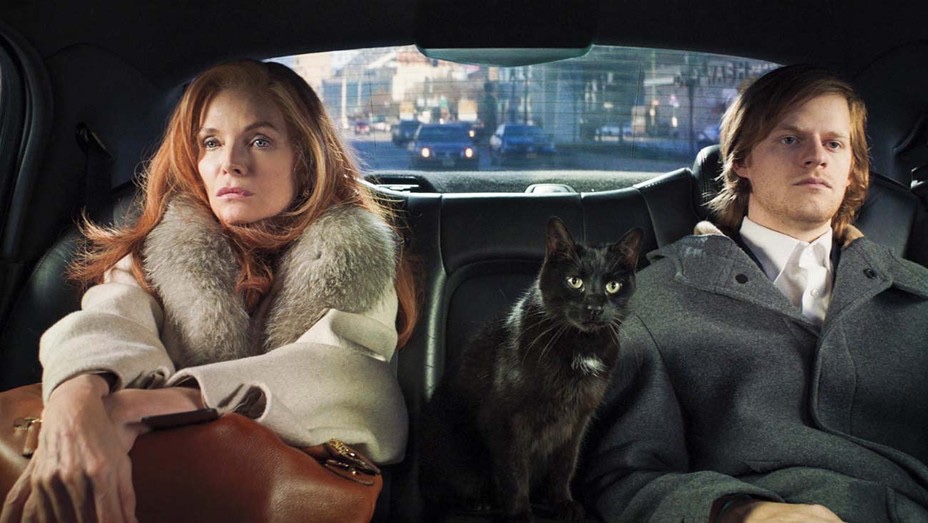
Every awards season, there are movies seemingly built around showcasing a certain talent rather than constructing a strong narrative throughline. The end result is often mixed-message storytelling, thematic confusion, and a figure at which to marvel at the center of it all. Azazel Jacobs has directed such a film, with high highs and low lows occurring almost evenly by the time the credits roll. But my god, that Michelle Pfeiffer is electrifying, isn’t she?
And she always has been. French Exit, like many films in her career spanning decades, is so much better for having her in it. Scarface, Married to the Mob, Dangerous Liaisons, The Fabulous Baker Boys, and Batman Returns are all good films in which Pfeiffer is largely responsible for what greatness they harbor, even if in some cases, and with the passage of time, the overall greatness of the film as a whole has somewhat lessened. In many ways, Pfeiffer is an icon still in search of a career-defining role in a timeless work of cinema (though with the seemingly endless popularity of screen superheroes, her Catwoman from 1992 absolutely achieves something definitive in Tim Burton’s undervalued sequel), and French Exit is an opportunity that just misses the mark, to no fault of the actress by any means. In fact, like the films mentioned above, she is undoubtedly the best thing about it.
Screenwriter Patrick deWitt adapts his own novel of the same name with a penchant for absurdism and irreverence. French Exit is the story of a broke widow, Frances (Pfeiffer), who hasn’t worked a day in her life and her son, Malcolm (Lucas Hedges), as they’re forced to move from New York City to Paris on the charity of a friend when their funds run out. Oh, and with them is a cat that Frances believes her late husband (Tracy Letts) to be living inside of. The first half is a hilarious riot with strong, just-endearing-enough characterizations and a tender mother-son dynamic that neatly collects everything the film is trying to do rather than try and ground it.
And did I mention that Pfeiffer is dynamite? She imbues Frances with an icy, entitled exterior, through her enchanting signature body language, that’s just heightened enough to land all her sauciest, cruelest insults and side glances with the intended hilarious effect. It’s her limited but critical role in 2017’s brilliant mother!, which marked the start of the actress’ creative comeback, taken to its most logical endpoint. Yet, in her one-on-one scenes with Hedges, her devastating side-eye glazes over with unmistakable affection. Together, their characters share a mutual understanding that is at once adult and childish. When Frances stumbles into their Paris digs on Christmas Eve with a new bike for Malcolm, it’s clear these are not moments they were able to share when he was younger. A scene later, they can have a frank conversation about sex toys and exploits.
Jacobs and deWitt nail the pacing of the first half, keeping the focus on them while easing us into the film’s off-center tone. But as a supernatural occurrence in the middle pulls us into the second half, so too does it pull a number of other characters into the story, partially robbing us of the rich dynamic expertly built in what came before. Pfeiffer’s role slightly shrinks, and Hedges can’t quite achieve that same chemistry with any of the other supporting players, including Danielle Macdonald and Imogen Poots, both giving strong turns.
At this point, French Exit shifts from a subtly surrealist black comedy to a lighter ensemble piece that doesn’t develop its new players very well and is too irreverent for its own good. The story loses sight of what was working for it, and suddenly seems to be in a rush. Though the ending smartly gets back to the mother-son relationship upon which the film was built, too much of what comes just before in the brisk 110-minute runtime is devoted to unearned resolutions.
Still, crumbs of brilliance make their way throughout French Exit. The film’s unmissable best scene, in which Frances and Malcolm attend what they think is a larger holiday party, is a perfect blend of classic cringe comedy in deWitt’s script and expert timing from Jacobs and Pfeiffer. It’s one of the funniest scenes in a film this year and worth a look, even if you’re left wondering where that brilliance went for the rest of the film. As the script requires that Pfeiffer start commanding the screen less, one wonders if she took it with her.